

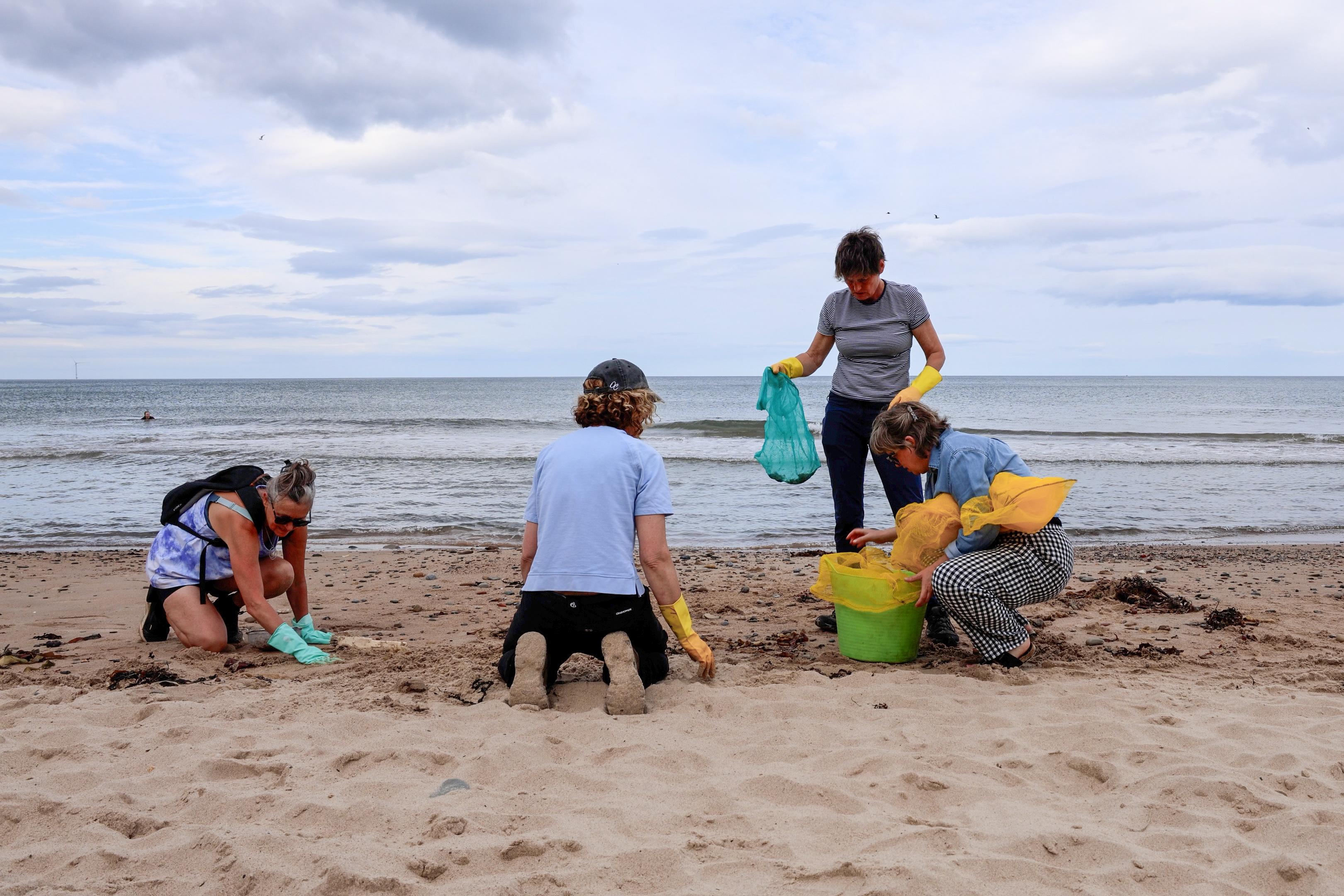
At the time of writing, more than 2,400 volunteer hours, 1,190 volunteer sessions and 220kg of plastic nurdles have been collected from 14 beaches. Those figures tell the story of an extraordinary community response to one of the North East's most significant environmental incidents. And the numbers keep rising day by day as the community response continues.
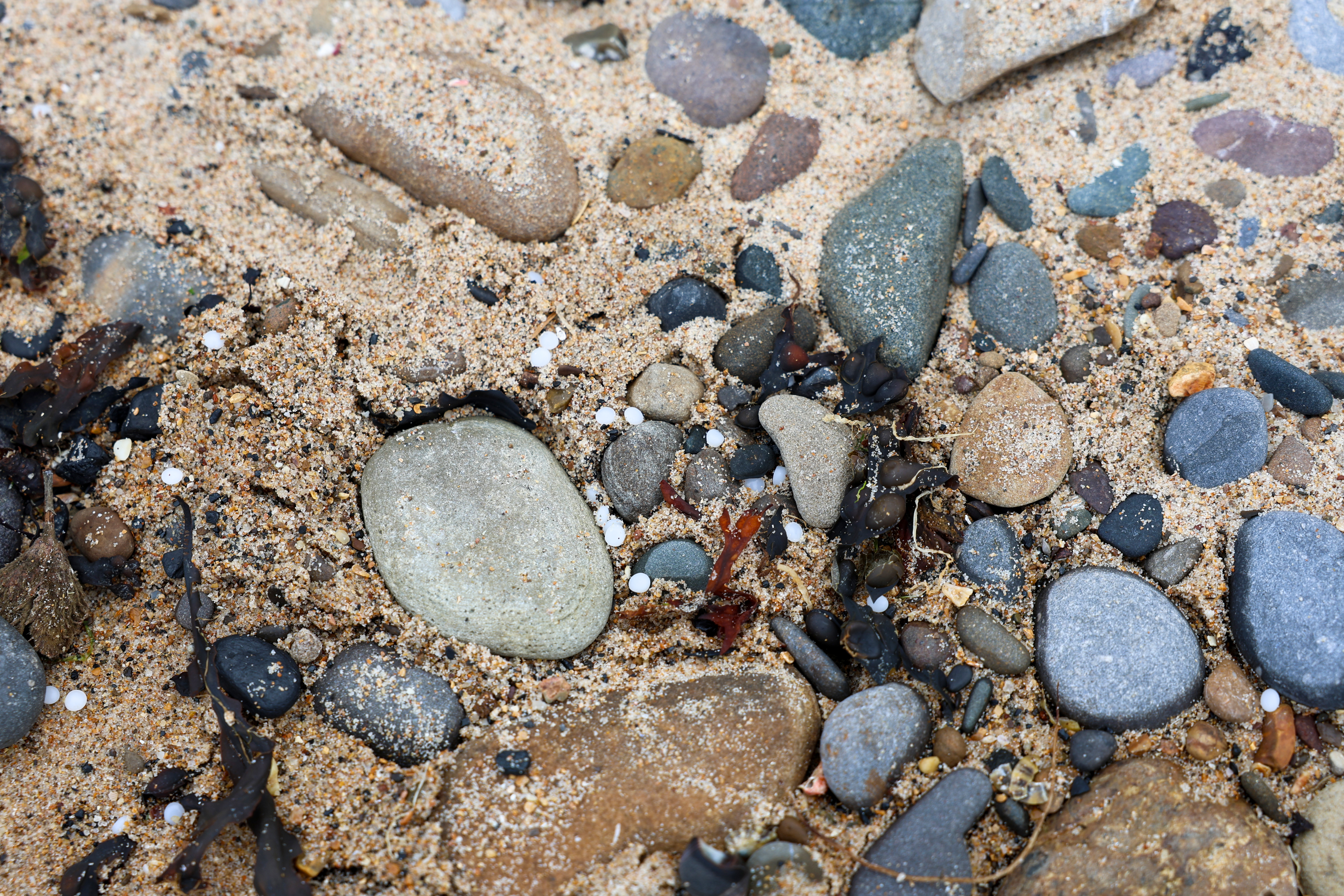
On 19th July, a shipping incident in the Port of Tyne resulted in an estimated 24 tonnes of plastic pellets (nurdles) entering the River Tyne. These tiny pellets have subsequently flowed along the North East coastline, washing up on beaches and being sighted two miles out at sea by local fishermen.
North East Mayor, Kim McGuinness has commented, "What we've seen here is one of the biggest, if not the biggest pollution incident in Europe, with the spillage of these nurdles." Cadeler, the owner of the shipping vessel involved in the incident acknowledged the speed of the official clean-up response had "not met community expectations".
Meanwhile, hundreds of local people have come together to organise clean-up efforts, share information and protect the beaches and wildlife they care deeply about. What began as a local response and WhatsApp group quickly grew into a huge, coordinated community effort, with volunteers mobilising through charities, environmental organisations, informal networks and social media.
While the long-term environmental impact of the spill is still being understood, the response from communities has demonstrated something equally important: the strength, the commitment and the capability of the North East's voluntary, community and social enterprise (VCSE) sector.
The sector's strength lies in its trusted relationships with communities. Charities, community organisations and volunteers understand local places, care about them, and have the flexibility to respond quickly as situations evolve. They can mobilise, communicate through established networks and provide support that is rooted in local knowledge and lived experience. The response to the nurdle spill illustrates that these strengths are a part of the region's wider resilience.
Environmental incidents, public health emergencies and other unexpected events require coordinated responses involving many different organisations. Alongside emergency services, local authorities and public agencies, the VCSE sector has a vital role to play.
This is about responding when something goes wrong and, importantly, it is recognising the sector as a strategic partner in planning for future challenges. There is a feeling among many who have responded in the past week and given their time since the spillage, that public bodies could have been more nimble, embracing and supporting much earlier the voluntary response.
If we strengthen relationships between regional leaders, emergency responders and the VCSE sector, we can do better, during and after times of crisis. In other parts of the country, as well as nationally, there are established structures for this.
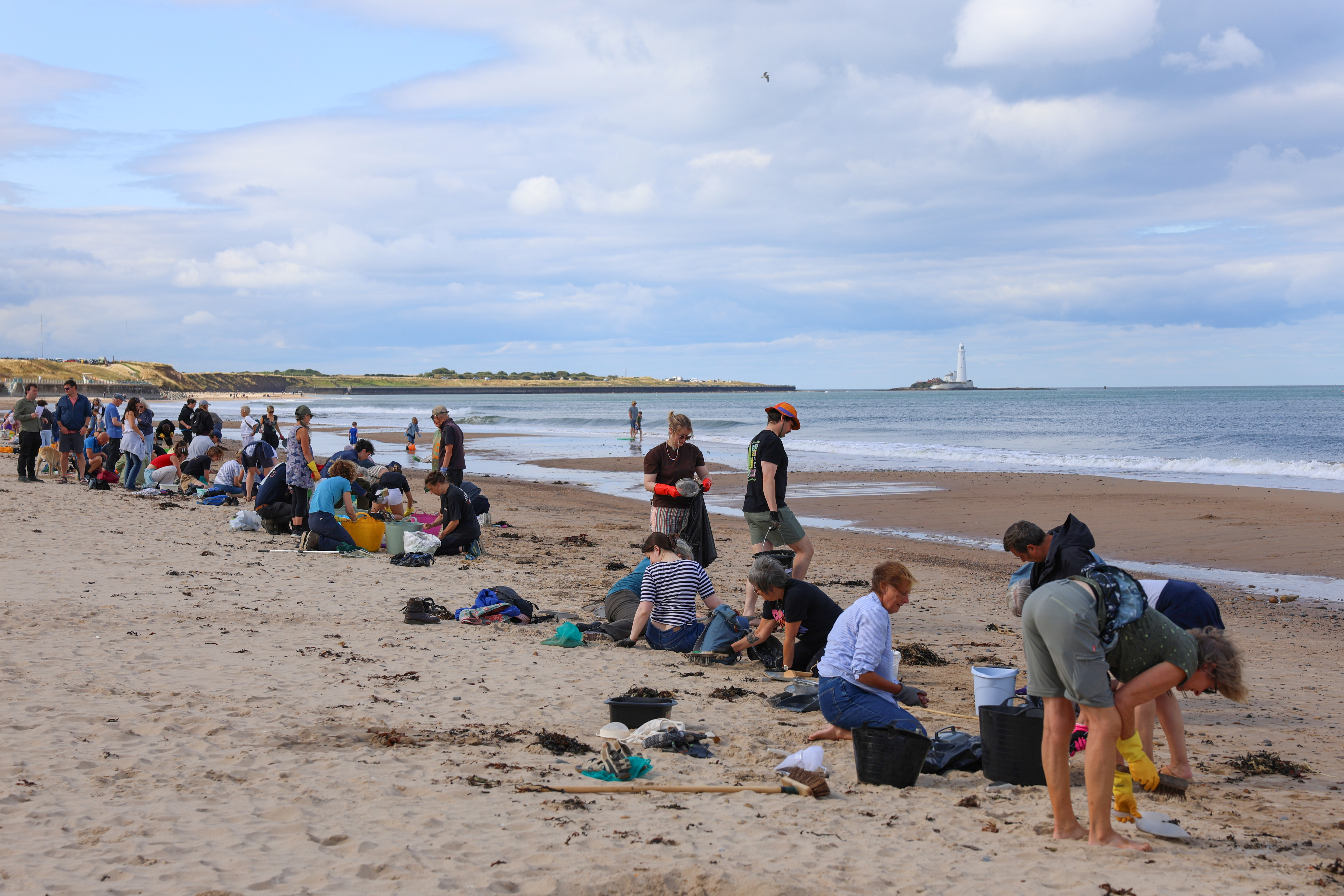
Behind every volunteer hour is someone who gave up their time to make a difference. Behind every clean-up session are community organisations and local leaders who helped coordinate people, share information and bring others together. From established charities like Surfers Against Sewage, Northumberland Wildlife Trust and Tyne Rivers Trust to numerous local litter groups and individuals marching down to the beaches clutching dust pans and brushes - this has a been a powerful expression of collective action and passion for the North East.
This response has also demonstrated the depth of expertise that exists within our communities, as volunteers share knowledge about tides, safe methods for collecting nurdles and how to organise and coordinate large-scale clean-up efforts effectively. Just as importantly, clear communication and strong local networks have enabled people to work together quickly and safely. These are valuable strengths that should not be overlooked when recognising the contribution communities and the VCSE sector can make during times of crisis.
Sally McGee, ambassador for Surfers Against Sewage and Longsands business owner has played a vital role in coordinating action. In a recent press release, she said: “We began organising through WhatsApp groups and social media and the response has been absolutely incredible. We’re proud and glad we decided to break the rules and try to protect our environment. It shows just how much this community cares about our coastline.”
This episode and tragedy serves as a reminder of the strength of the VCSE sector. Of its range, its size, its commitment, and its passion. For VONNE, it is an important reminder of the value the VCSE sector brings—not only during times of crisis, but every day. There are lessons for the future about how best to harness this most effectively for the North East. For now, as the nurdle clean-up continues, it is a source of pride and purpose we want to acknowledge and celebrate.
Image Credits: Leah Pattem