
Across the North East, communities are already leading change. But if resident-led funding is to support lasting, meaningful change, it takes more than giving communities access to money.
It requires a shift in how decisions are made, who is trusted to make them, how organisations and funders work alongside communities, and how learning and accountability are understood.
In March 2026, VONNE and Local Trust brought together community practitioners, funders and others working across the North East for From the Ground Up: Exploring Community Power in the North East – a knowledge exchange summit focused on what it takes to build and share power with communities.
The event brought together learning from Big Local and wider experience across the region, creating space to explore what resident-led approaches look like in practice, what makes them work, and what needs to change to support them.
This collection brings together some of the key learning and practical insights from those conversations.
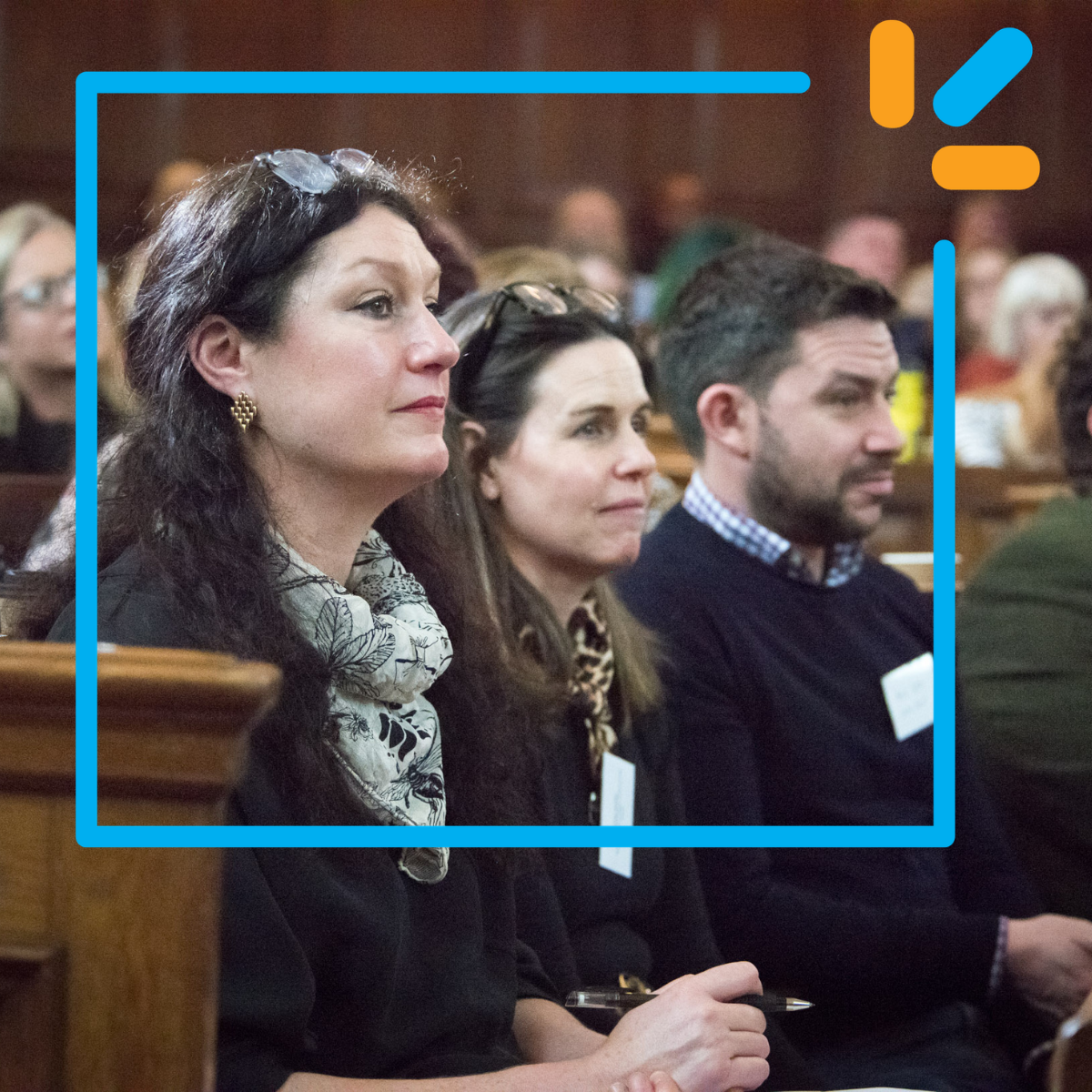
Local Trust Knowledge Programme
The Local Trust Knowledge Programme is a series of six learning events exploring the legacy of Big Local – one of England's largest and longest-running resident-led funding programmes. Through deep dives into topics including community power, resident-led decision-making, measurement and learning, shared stewardship, inclusion and participation, the programme examines what worked, what proved challenging, and what funders, public bodies and VCSE organisations can learn to shape future investment in communities. Bringing together national evidence with practical insights from the North East, the programme aims to support more equitable, sustainable and community-led approaches to funding and place-based change.
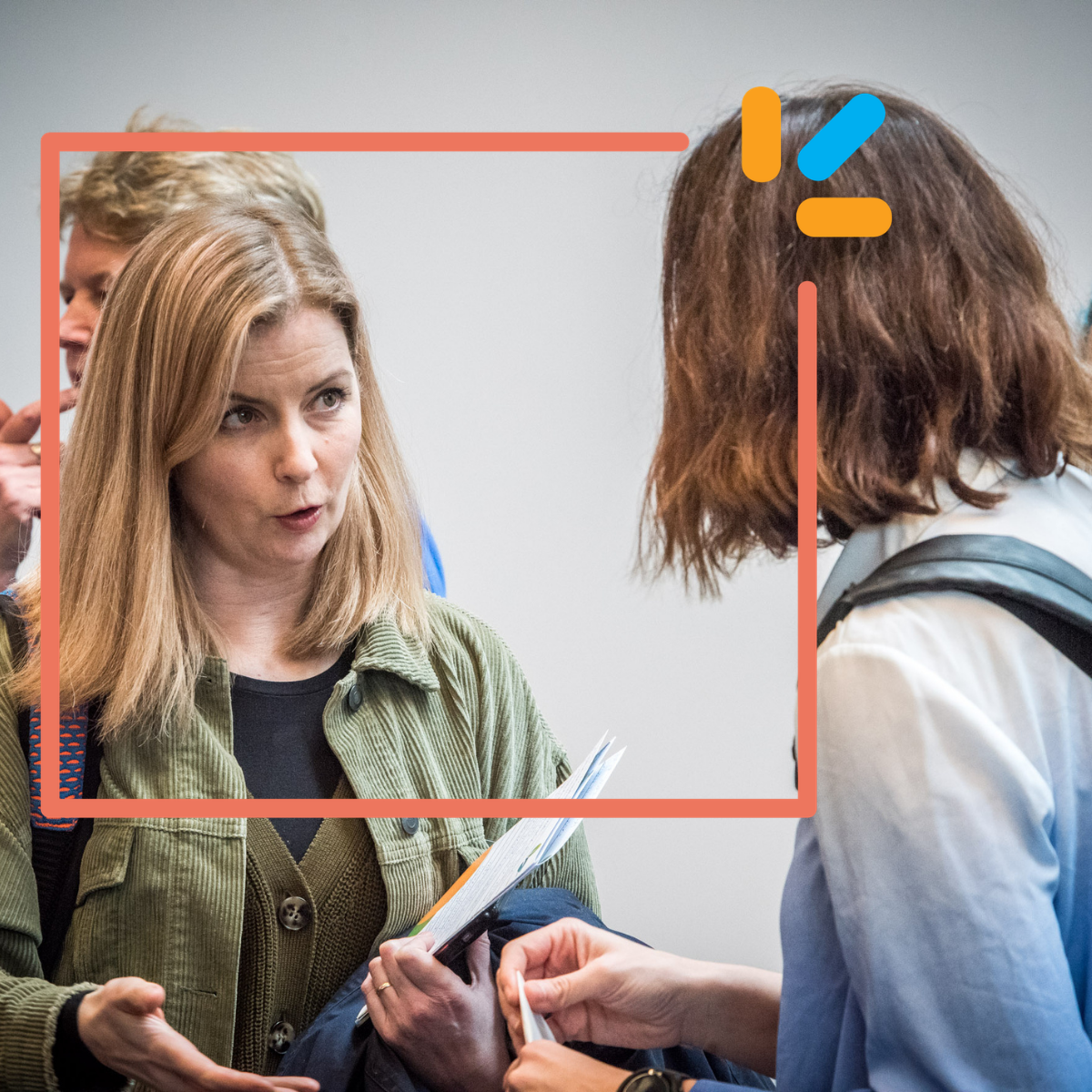
Owning our Future
What could it look like for communities, funders and organisations to share responsibility?
This resource provides a framework and brings together practical examples and a road map for developing approaches to shared stewardship. It explores how responsibility, decision-making and accountability can be shared more equitably, while recognising that different people and organisations may hold different roles at different points in the journey.
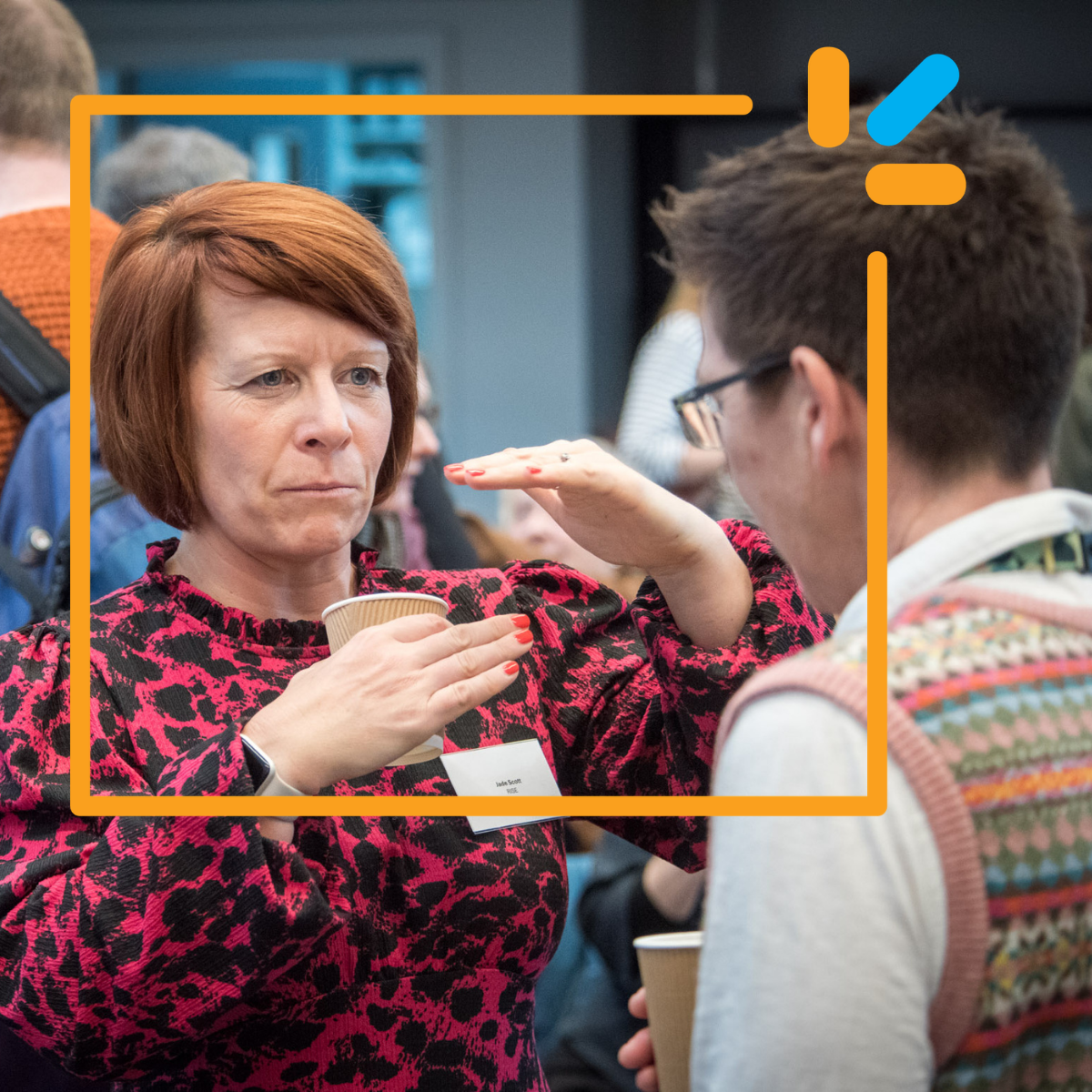
Measuring what Matters
How can funders and communities learn what is really changing?
Social change rarely follows a neat trajectory, yet funding relationships often rely on predetermined outcomes, tidy numbers and reporting requirements that struggle to capture the complexity of real life.
This resource from IVAR explores trust-based learning: an approach that values frontline expertise, creates space for honest and iterative learning, and encourages funders and organisations to ask better questions together. Moving beyond performative reporting and one-way accountability, it considers how measurement and learning can become more reciprocal, meaningful and grounded in what communities care about.
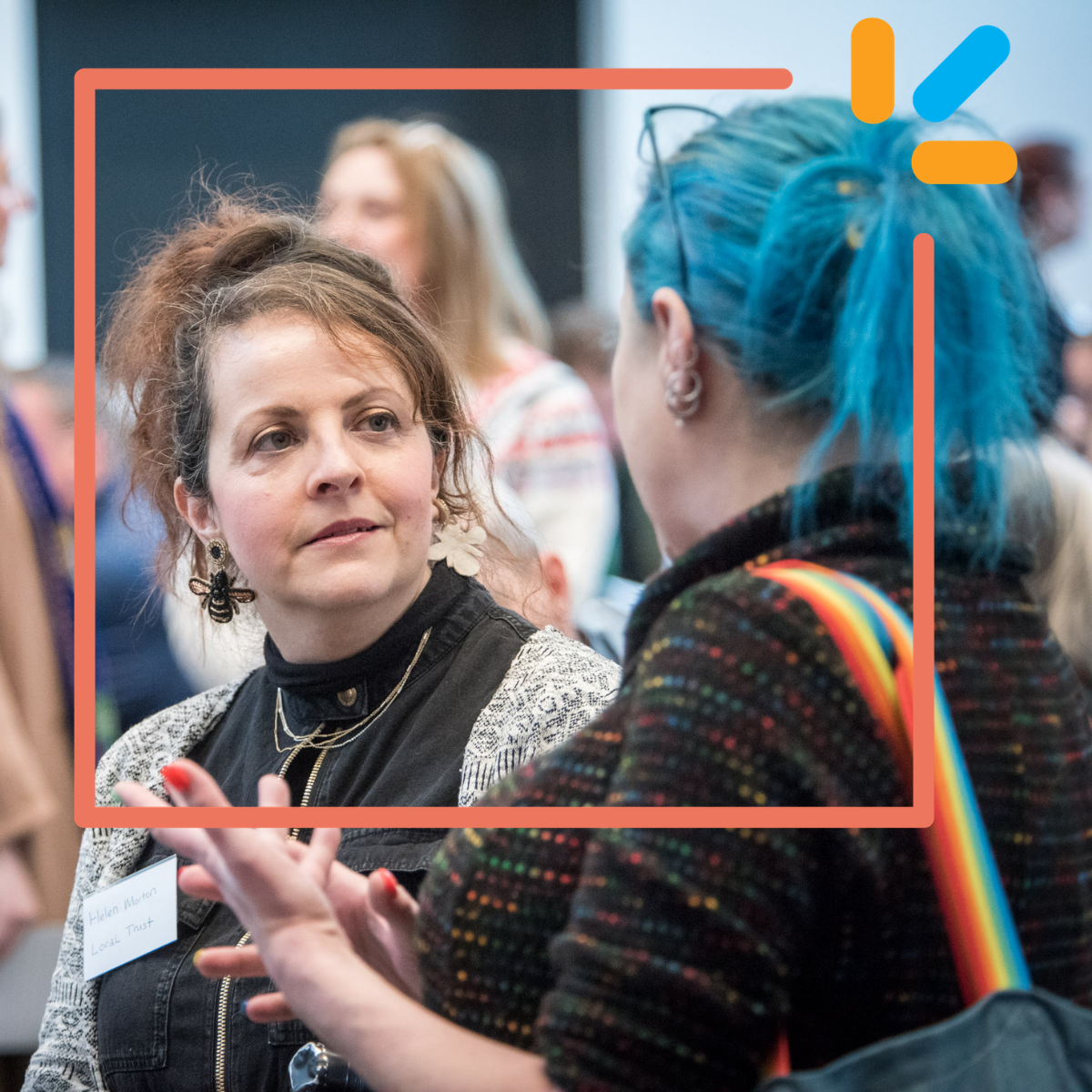
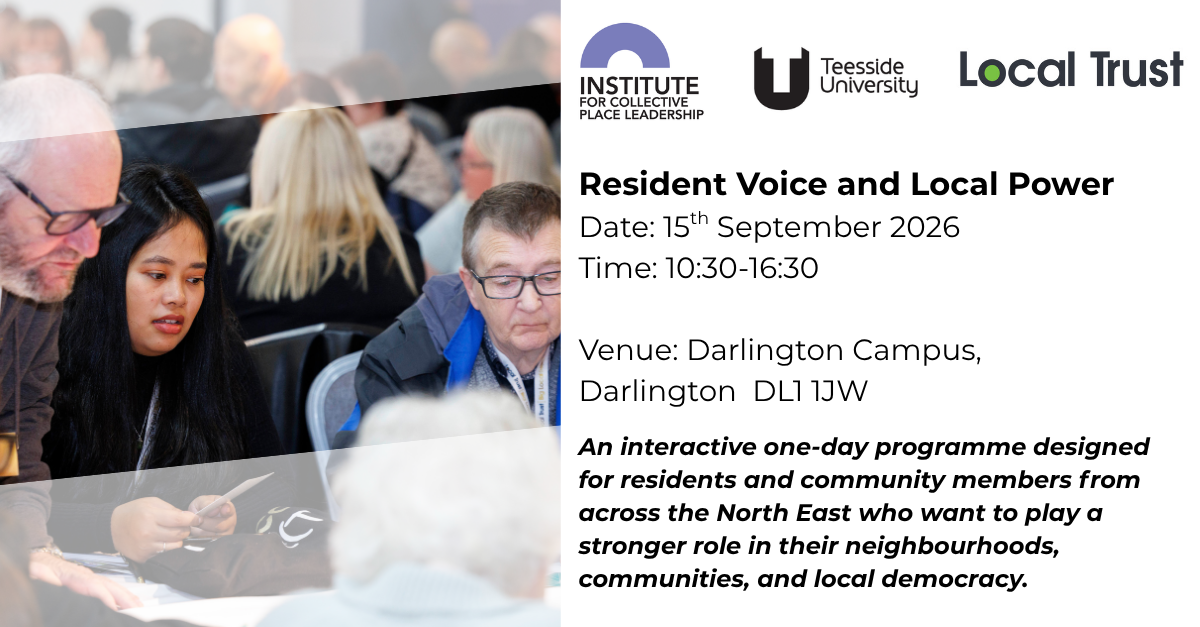
Resident Voice and Local Power
How can community members have greater influence in local decision making?
Local Trust has partnered with the Institute for Collective Place Leadership at Teesside University to deliver a one-day programme of learning for residents who want to get involved in local democracy.
Join in to understand:
- How local decisions are made
- Where power and influence sit within communities and institutions
- The difference between consultation, participation, and shared decision-making
- How residents can build confidence in speaking up, asking questions, and creating change together
- What helps communities work collaboratively and sustainably over time
What connects the learning?
Across the different conversations, a consistent message emerged: shifting power is not a one-off activity or a particular funding model. It is an ongoing process.
It depends on creating the conditions for people to participate meaningfully, build confidence and influence decisions over time.
That means:
- building relationships and trust before decisions are made
- involving residents in setting priorities and shaping agendas
- being transparent about where power sits and what can genuinely be influenced
- recognising lived experience as equal to professional knowledge
- creating space for people to learn through doing, including through failure
- supporting shared leadership beyond traditional hierarchies
- investing in the time, relationships and infrastructure needed for communities to lead
As the learning from practitioners across the North East makes clear, resident involvement is not the same as resident power. Consultation can involve people without changing who makes decisions or who controls resources.
Continuing the conversation
The resources in this collection are intended to support further discussion, reflection and action across the North East VCSE sector and beyond.
There is no single model for sharing power with communities. The right approach will depend on the context, the people involved and the history of each place.
But the learning from resident-led funding and community-led programmes shows that meaningful power-sharing is possible when communities have genuine influence, the time and support to build confidence, and the space to learn and adapt.
The challenge now is to continue exploring how these principles can be put into practice – and how funders, public bodies, VCSE organisations and communities can work differently to support lasting community power.


